 Reviews

 Proudly American
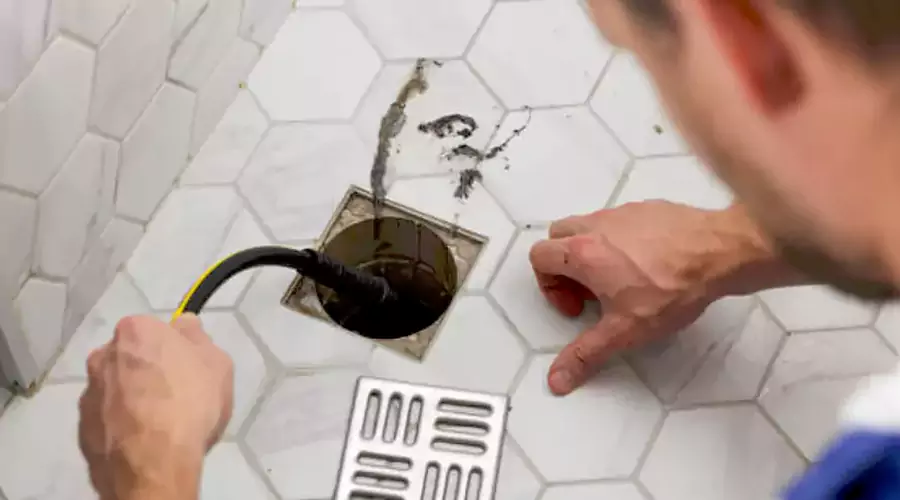
A slow shower drain is annoying, but it is also one of the easiest household clogs to fix. In most homes, the problem is a simple mix of hair, soap scum, and shampoo residue collecting right below the drain cover. With a few basic tools and the right order of steps, you can clear the clog in 10 to 30 minutes without paying for a plumber.
This guide walks you through fast methods that actually work, starting with the safest and simplest options first.
Quick Checklist Before You Start
Do these quick checks so you do not waste time.
- Confirm the problem is only the shower. If multiple drains are slow, the clog may be deeper in the main line.
- Remove standing water. Use a cup or small bowl so you can reach the drain opening.
- Avoid mixing cleaners. If you already used a chemical drain cleaner, do not add other products. Flush carefully with plenty of water before using tools.
Tools You Need to Unclog a Shower Drain
Most shower clogs can be cleared with one or two of these items.
- Rubber gloves
- Flashlight
- Screwdriver (if the drain cover is screwed down)
- Plastic hair removal tool (zip tool) or a straightened wire hanger
- Cup plunger (flat bottom)
- Small hand drain snake (auger)
If you only buy one tool, choose a plastic hair removal tool. It is cheap and works for the most common shower clogs.
Step 1: Remove the Drain Cover and Pull Out Hair
Hair is the number one reason showers drain slowly. It usually sits only a few inches below the opening.
How to do it fast
- Remove the drain cover. Some covers lift off, others have screws.
- Use a flashlight to look inside. You may see hair right away.
- Insert a plastic hair tool into the drain a few inches, twist gently, and pull out slowly.
- Throw the hair into the trash, not the toilet.
- Repeat until you pull out very little debris.
If you do not have a hair tool
Use a wire hanger and bend a small hook at the end. Keep the hook small so it does not scratch or snag.
Flush to test
Run hot tap water for 60 seconds. If the water drains normally, you are done.
Step 2: Use Hot Water the Right Way
Hot water helps soften soap scum and loosen residue that holds hair together. It is not a magic cure for a heavy hair plug, but it works well after you remove debris.
Best practice
- Run the hottest tap water you can for 1 to 2 minutes.
- If your shower is backed up, pour hot water in slowly so it does not overflow.
- Avoid pouring boiling water into a shower drain if you are unsure about your pipe material or if your plumbing is older.
Step 3: Plunge the Shower Drain for a Stronger Push
If the clog is deeper than the drain opening, plunging can break it loose by forcing pressure through the pipe.
How to plunge a shower or tub drain
- Put enough water in the tub or shower to cover the plunger rim.
- Place the cup plunger over the drain and press down to make a tight seal.
- Plunge with steady strokes for 20 to 30 seconds.
- Remove the plunger and test the drain with running water.
Important tip for tub shower combos
Seal the overflow opening with a wet rag. Without that seal, the pressure escapes and plunging becomes far less effective.
If you see improvement but the drain is still slow, move to the next step.
Step 4: Snake the Drain for Stubborn or Deep Clogs
A hand snake is the most reliable option when hair and soap buildup are lodged further down the pipe. It physically grabs or breaks the clog.
How to snake a shower drain
- Feed the snake slowly into the drain.
- When you feel resistance, rotate the handle while applying gentle forward pressure.
- Pull the snake back out carefully.
- Wipe debris off with a towel and throw it away.
- Repeat until the snake comes out mostly clean.
- Flush with hot tap water for 2 minutes to confirm a clear drain.
What to expect
Hair often wraps around the snake head. Rotate as you pull back so the clog stays attached.
Optional Method: Baking Soda and Vinegar for Odor and Light Buildup
This is best used after hair removal, not as the first fix for a heavy clog.
Steps
- Pour 1/2 cup baking soda into the drain.
- Add 1 cup white vinegar.
- Wait 10 to 15 minutes.
- Flush with hot tap water.
This can reduce odor and loosen residue, but it will not usually clear a dense hair plug by itself.
How to Prevent Shower Drain Clogs
A few habits can stop clogs before they start.
- Use a hair catcher and clean it after each shower.
- Remove and rinse the drain cover monthly.
- Flush the drain with hot water for 30 to 60 seconds once a week.
- If you have long hair, brush before showering to reduce shedding.
When You Should Call a Plumber
Most shower clogs are simple. Call a plumber if you notice any of the following.
- Multiple drains are slow or backing up
- Water rises in the shower when you flush a toilet
- You smell sewer odors coming from drains
- The clog returns quickly after snaking
These signs can point to a main line blockage or a venting issue.
FAQ
What is the fastest way to unclog a shower drain?
In most cases, removing the drain cover and pulling out hair with a plastic zip tool is the fastest solution.
Why does my shower drain keep clogging?
Repeated clogs usually come from hair mixing with soap scum. A hair catcher and simple monthly cleaning prevent most issues.
Final Takeaway
To unclog a shower drain quickly without calling a plumber, start by removing the drain cover and pulling out hair. Then flush with hot water, plunge if needed, and use a hand snake for deeper clogs. Finish with prevention, like a hair catcher, so you do not have to repeat the same repair next month.